Thursday, April 24, 2025

Importance of Mint Leaves


Importance of Mint Leaves

🌿🌿 Importance of Mint Leaves🌿🌿


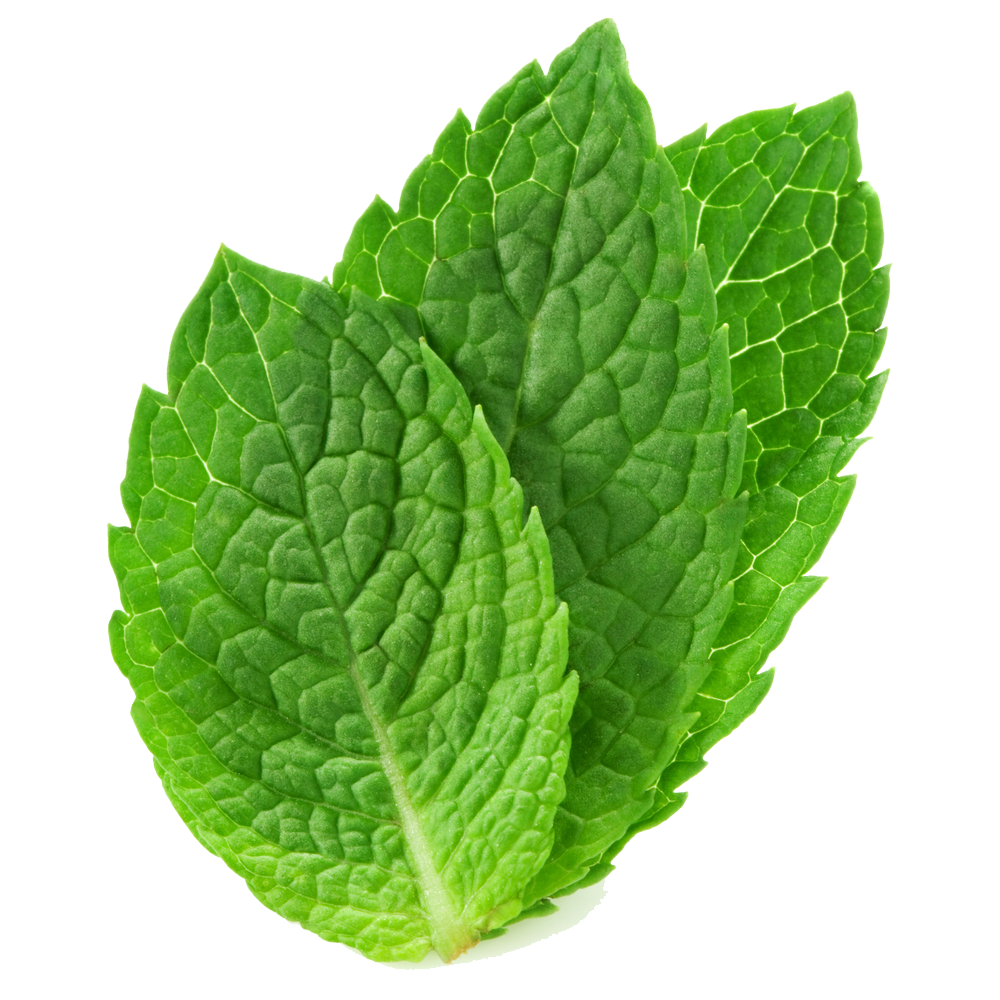
Mint leaves, with their refreshing aroma and numerous health benefits, are much more than just a fragrant herb used to garnish dishes. Mint (scientifically known as Mentha) has been valued for centuries in both culinary and medicinal practices. Here's a deeper look into the importance of mint leaves:


1. Promotes Digestive Health 🌿🌿🌿🌿🌿

One of the most well-known benefits of mint leaves is their ability to aid in digestion. They contain compounds like menthol, which stimulate the digestive enzymes responsible for breaking down food. This makes mint leaves an excellent remedy for indigestion, bloating, and gas. Mint tea, in particular, can soothe an upset stomach and promote the smooth movement of food through the digestive tract, helping to relieve nausea or heartburn.

2. Improves Skin Health 🌿🌿🌿🌿🌿

Mint leaves are rich in antioxidants and anti-inflammatory properties that can benefit the skin in several ways:

  • Cleansing: Mint has antibacterial and antifungal properties that can help keep the skin clean by reducing the risk of acne, rashes, and irritation.
  • Soothing: The cooling effect of menthol in mint helps to calm inflamed or irritated skin. This makes mint a great natural ingredient for after-sun care or for treating itchy skin.
  • Anti-aging: Mint’s antioxidants help fight free radicals, which can slow down the skin’s aging process and promote a youthful glow.

3. Boosts Mental Clarity and Focus 🌿🌿🌿🌿🌿

Mint leaves are not only beneficial for the body but for the mind as well. The aroma of mint is known to improve mental clarity, focus, and alertness. It helps in enhancing cognitive function and can even reduce feelings of mental fatigue. This makes mint a common ingredient in aromatherapy to stimulate the mind and reduce stress levels. Simply inhaling mint’s refreshing scent can uplift the mood and clear brain fog.

4. Relieves Respiratory Issues 🌿🌿🌿🌿🌿

Mint leaves contain menthol, which can help relieve symptoms of common respiratory problems. When inhaled, mint’s strong aroma helps clear nasal passages, making it a popular remedy for congestion, sinus problems, and allergies. Mint also acts as a natural decongestant and expectorant, helping to loosen mucus and ease breathing in cases of colds, coughs, or asthma.

5. Natural Stress Reliever 🌿🌿🌿🌿🌿

Mint has natural relaxing properties that help reduce stress and anxiety. The cooling effect of mint leaves has a calming influence on both the body and mind. Mint tea, in particular, can help calm the nerves, reduce stress levels, and promote a sense of well-being. It is often used as a natural remedy to combat insomnia and sleep disturbances.

6. Supports Oral Health 🌿🌿🌿🌿🌿

Mint leaves are widely used in dental care products like toothpaste, mouthwash, and gums. The natural antibacterial properties of mint help eliminate harmful bacteria in the mouth, which can lead to bad breath, cavities, or gum disease. Mint tea or fresh mint leaves can also be chewed to freshen breath naturally.

7. Helps in Weight Management 🌿🌿🌿🌿🌿

Mint leaves can play a role in weight management by helping with digestion and appetite control. Drinking mint-infused water or tea before meals can aid digestion and reduce the chances of overeating by creating a feeling of fullness. Additionally, mint's aromatic properties can help curb cravings for unhealthy snacks and sugars.

8. Anti-inflammatory and Pain Relief 🌿🌿🌿🌿🌿

Mint leaves have been used traditionally for their anti-inflammatory and analgesic properties. The menthol found in mint helps relieve pain from conditions like headaches, muscle aches, or joint pain. It works as a cooling agent on inflamed or sore areas, providing relief and relaxation. Applying mint oil or crushed mint leaves to sore muscles can also alleviate tension.

9. Rich in Nutrients 🌿🌿🌿🌿🌿

Mint leaves are packed with essential vitamins and minerals that contribute to overall health. They are an excellent source of:

  • Vitamin A: Beneficial for vision, immune system, and skin health.
  • Vitamin C: Strengthens the immune system and promotes healthy skin.
  • Iron: Important for red blood cell production and preventing anemia.
  • Calcium: Essential for bone health and muscle function.
  • Magnesium: Helps with muscle and nerve function, and supports energy production.

10. Helps Control Blood Sugar Levels 🌿🌿🌿🌿🌿

Preliminary studies suggest that mint leaves may play a role in controlling blood sugar levels in people with diabetes. Mint has been shown to reduce insulin resistance and promote healthy glucose metabolism. Drinking mint tea may help stabilize blood sugar levels and prevent sudden spikes or crashes.


Conclusion

Mint leaves are not just a flavorful addition to your meals or drinks; they are packed with health benefits that can support your digestive, skin, mental, and respiratory health, among others. Whether consumed fresh, dried, or as a part of a mint oil or tea, mint leaves offer a natural solution to a range of everyday health concerns.

With their refreshing aroma, cooling effect, and healing properties, mint leaves truly deserve their place as one of nature’s most versatile and beneficial herbs. So, next time you reach for a mint sprig, remember—you’re not just adding flavor, you’re also giving your body a health boost!

Wednesday, April 23, 2025

Benefits of Mint Leaves Tea Before Bed

Benefits of Mint Leaves Tea Before Bed

Drinking mint tea before bed can be a simple yet effective way to improve your overall health and well-being. Mint tea, made from the leaves of the mint plant (Mentha), is known for its refreshing taste and numerous health benefits. When consumed before bedtime, it can offer a range of advantages that promote better sleep and support various body functions. Here’s a look at the top benefits of drinking mint tea before bed:


1. Promotes Relaxation and Better Sleep

One of the most well-known benefits of mint tea is its ability to promote relaxation. The menthol in mint has a soothing effect on the body and mind, which can help reduce stress and anxiety. Drinking mint tea before bed can calm the nerves, relax your muscles, and prepare your body for sleep. Its natural sedative properties may help in falling asleep faster and experiencing a deeper, more restful sleep.

2. Helps with Digestive Issues

Mint tea is an excellent remedy for digestive problems. If you suffer from bloating, gas, or indigestion, sipping a warm cup of mint tea before bed can help soothe these issues. The menthol in mint leaves has been shown to relax the muscles in the digestive tract, promoting better digestion and relieving discomfort. It can also help with acid reflux by relaxing the lower esophageal sphincter, preventing stomach acid from rising into the esophagus.

3. Reduces Stress and Anxiety

Mint tea has natural calming and mood-boosting effects. The act of drinking a warm cup of tea before bed provides a moment of relaxation, while the mint’s aroma and menthol compounds help to ease tension and stress. Mint is often used in aromatherapy for its ability to calm the nervous system and reduce anxiety. Sipping mint tea can be a simple way to unwind from the day and prepare yourself for a peaceful night’s sleep.

4. Improves Breathing and Relieves Congestion

Mint’s natural decongestant and expectoration properties make it a great option for respiratory health. If you suffer from sinus congestion or seasonal allergies, drinking mint tea before bed can help clear your airways, reduce nasal congestion, and ease breathing. The menthol in mint acts as a natural mucolytic, breaking up mucus and making it easier to breathe. This can be especially helpful if you're dealing with colds or congestion at night.

5. Supports Weight Loss

If you’re looking to manage your weight, drinking mint tea before bed can offer a gentle boost. While mint tea itself isn’t a miracle weight-loss drink, it can aid in digestion and appetite control. Drinking mint tea can help curb late-night cravings and prevent overeating by promoting a feeling of fullness. Additionally, its ability to improve digestion and stimulate the metabolism can indirectly support healthy weight management.

6. Relieves Headaches

If you suffer from tension headaches or mild migraines, mint tea can be an effective natural remedy. The cooling effect of menthol has been shown to help relieve headaches by relaxing tense muscles and reducing the symptoms associated with headaches. Drinking a cup of mint tea before bed can provide relief from stress-related headaches and allow you to wake up feeling refreshed.

7. Improves Oral Health

Mint is commonly used in oral care products like toothpaste and mouthwash due to its antibacterial and antifungal properties. Drinking mint tea before bed can help keep your mouth clean, freshen your breath, and reduce the growth of bacteria in your mouth. If you struggle with bad breath or gum issues, mint tea can be a gentle natural solution.

8. Soothes Muscle Pain and Cramps

The cooling and analgesic properties of mint can help ease muscle pain, cramps, or spasms. If you experience leg cramps or muscle tightness, sipping mint tea before bed can help relax the muscles and relieve discomfort. This is particularly helpful for individuals who suffer from nighttime leg cramps.

9. Boosts Immune Function

Mint contains antioxidants and has natural antiviral and antibacterial properties. Drinking mint tea before bed can give your immune system a little extra support. It can help your body fight off infections, improve your respiratory health, and keep you healthy during flu or cold season.

10. Hydrates the Body

Staying hydrated is essential for overall health, and drinking herbal tea before bed can help ensure your body stays hydrated through the night. While many people tend to focus on the caffeine content of teas, mint tea is caffeine-free, making it an excellent choice for hydration without the risk of disrupting sleep.


How to Make Mint Tea for Bedtime

Making mint tea is simple and can be done in just a few minutes:

  1. Fresh Mint Tea:
    • Use fresh mint leaves by placing about 10-15 leaves in a cup.
    • Pour boiling water over the leaves.
    • Cover and steep for 5-10 minutes, then strain the leaves and enjoy.
  2. Dried Mint Tea:
    • Use about 1-2 teaspoons of dried mint leaves.
    • Pour boiling water over the dried leaves and steep for 5-10 minutes.
    • Strain and enjoy your tea.

You can also add a spoon of honey or lemon to enhance the flavor and add additional soothing effects.


Benefits of Mint Leaves Tea Before Bed image
Conclusion

Drinking mint tea before bed offers a variety of benefits for your body and mind. From improving digestion and relieving stress to enhancing your sleep quality, mint tea can be an excellent addition to your bedtime routine. Its soothing properties, combined with its natural ability to relax muscles, ease headaches, and improve breathing, make it a natural remedy for a range of common health issues. Plus, it’s a delicious and caffeine-free alternative to help you unwind after a long day.

Tuesday, April 22, 2025

The Importance of Mint Leaves in the Body: A Natural Wonder Herb


The Importance of Mint Leaves in the Body

🌱 Introduction: A Tiny Leaf with Mighty Powers

Mint isn’t just a kitchen herb or a breath freshener—it’s a natural remedy packed with powerful nutrients. Whether you’re sipping mint tea, adding fresh leaves to your meals, or drinking mint-infused water, this humble plant can do wonders for your body.

In this blog, we’ll explore the importance of mint leaves in the body, and why this herb deserves a place in your daily diet.


🧠 1. Boosts Brain Function and Mental Alertness

Mint is known for its refreshing aroma, which is more than just pleasant—it actually stimulates brain activity.

How it helps:

  • Improves concentration and focus
  • Helps reduce mental fatigue
  • Elevates mood and reduces stress

Just inhaling the scent of mint can help you feel more alert and awake.


💧 2. Aids in Digestion and Gut Health

One of the most well-known uses of mint is for digestive support.

Benefits:

  • Relieves bloating and gas
  • Soothes upset stomachs
  • Stimulates digestive enzymes for better nutrient absorption

Drinking mint tea or chewing fresh leaves after meals can help your stomach feel lighter and more comfortable.


✨ 3. Improves Skin Health Naturally

Mint is rich in antioxidants and antibacterial properties, making it excellent for promoting clear, healthy skin from within.

Skin benefits include:

  • Reducing acne and inflammation
  • Flushing out toxins
  • Calming skin irritation and redness

Drinking mint-infused water or using mint in face masks can support a healthy glow.


🛡️ 4. Strengthens the Immune System

Mint leaves are loaded with essential nutrients like vitamin C, calcium, and iron, all of which help keep your immune system strong.

How it helps:

  • Fights harmful bacteria and viruses
  • Reduces inflammation
  • Keeps infections and colds at bay

A simple mint tea during flu season could help your body fight back naturally.


⚖️ 5. Supports Healthy Weight Management

Although not a weight-loss miracle, mint can play a helpful role in managing your metabolism.

Why it works:

  • Helps reduce hunger cravings
  • Aids in digestion and fat breakdown
  • Supports hydration when added to water

Replacing sugary drinks with mint water is a smart move if you're trying to lose weight.


🦷 6. Promotes Oral and Dental Health

Mint is famous for keeping breath fresh, but it does more than just mask odors.

Oral benefits:

  • Destroys bacteria in the mouth
  • Prevents bad breath
  • Supports gum health

That’s why mint is a common ingredient in natural toothpaste and mouthwashes.


💆 7. Relieves Headaches and Muscle Pain

Thanks to its natural cooling effect, mint can provide quick relief for tension headaches and sore muscles.

How it helps:

  • Relaxing and calming properties
  • Improves blood circulation
  • Reduces inflammation

Applying mint oil topically or drinking mint tea can help ease tension and fatigue.


🛏️ 8. Encourages Better Sleep

Mint is caffeine-free and contains compounds that relax your nervous system.

Benefits:

  • Eases stress and anxiety
  • Helps you unwind before bed
  • Supports deeper, more restful sleep

Make mint tea your go-to bedtime ritual for a peaceful night.


🍽️ How to Add Mint to Your Daily Routine

You can enjoy mint leaves in many delicious ways:

  1. Mint tea – Sip daily for digestion and calm.
  2. Mint water – Refreshing and detoxifying.
  3. Mint chutney or sauces – Adds flavor and health benefits to meals.
  4. Smoothies and juices – Blend in for a nutrient boost.
  5. Garnish – Sprinkle chopped mint on salads, yogurt, or soups.

⚠️ Precautions and Who Should Be Careful

While mint is generally safe, certain people should be cautious:

  • Those with acid reflux or GERD—mint may relax the esophagus and worsen symptoms.
  • People on medication—check with your doctor before adding large amounts of mint to your diet.
  • Pregnant or breastfeeding women—consume in moderation and consult a healthcare provider.

💚 Conclusion: Small Herb, Big Benefits


The importance of mint leaves in the body goes far beyond flavor—it’s a health booster, a skin healer, a digestive aid, and so much more.

By adding mint to your routine, you’re giving your body a dose of natural wellness—delicious, affordable, and easy to enjoy. So next time you see those fresh green leaves, don’t just think of garnish—think of health, balance, and calm.

Sunday, April 20, 2025

Benefits of mint leaves tea


Mint Leaves Tea: 7 Surprising Benefits for Your Health and Skin

Mint Leaves Tea
🌱 Introduction: A Refreshing Brew for Mind and Body

Mint tea isn’t just soothing—it’s a powerhouse of health perks. Whether you sip it in the morning to start your day or in the evening to wind down, mint leaves tea can improve your digestion, skin, mental clarity, and more.

Let’s explore the top reasons why you should consider adding this herbal drink to your daily routine.


✅ 1. Supports Digestion Naturally

Mint is known for its digestive properties. The menthol in mint helps relax the muscles of your digestive tract, making it easier for your body to process food.

Benefits include:

  • Reduced bloating and gas
  • Relief from indigestion
  • Eased stomach cramps

👉 Pro Tip: Drink mint tea after meals to soothe your stomach.


💧 2. Promotes Clearer Skin

Mint is full of antioxidants and anti-inflammatory compounds that help cleanse your system and improve your skin from the inside out.

Benefits include:

  • Reduced acne breakouts
  • Natural detox support
  • Hydrated, glowing skin

Drinking mint tea consistently may help flush out toxins that cause skin irritation and dullness.


😌 3. Helps Relieve Stress and Mental Fatigue

Feeling overwhelmed? A cup of mint tea might be just what you need.

The calming scent of mint and its muscle-relaxing effect help:

  • Lower stress levels
  • Improve mood
  • Ease tension headaches

It’s a gentle, caffeine-free way to refresh your mind—especially helpful in the evening.


💤 4. Aids in Better Sleep

Thanks to its relaxing properties and lack of caffeine, mint tea makes a perfect bedtime drink.

How it helps:

  • Relaxes your body and nervous system
  • Reduces restlessness
  • Encourages better sleep quality

It’s a healthy alternative to nighttime snacks or sugary beverages.


🛡️ 5. Strengthens Immunity

Mint contains essential nutrients like vitamin C, calcium, and iron. Plus, its natural antibacterial and antiviral properties help your body fight off infections.

Immune-boosting benefits:

  • Helps with sore throats and colds
  • Supports respiratory health
  • Keeps your immune system resilient

🦷 6. Freshens Breath and Fights Oral Bacteria

Mint tea acts as a natural breath freshener. Unlike sugary mints, it helps clean your mouth without adding calories or chemicals.

Oral benefits:

  • Reduces bad breath
  • Fights bacteria in the mouth
  • Supports healthy gums

Sip it post-meal for a fresh, clean feel.


⚖️ 7. May Assist with Weight Management

While not a fat-burning miracle, mint tea can complement a healthy weight loss plan.

Here’s how:

  • Curbs unnecessary cravings
  • Helps with digestion and metabolism
  • Reduces water retention

Substitute sugary drinks with mint tea for a calorie-free hydration boost.


🍵 How to Make Mint Leaves Tea at Home

How to Make Mint Leaves Tea at Home

Ingredients:

  • 10–12 fresh mint leaves (or 1 tsp dried mint)
  • 1.5 cups of water
  • Optional: lemon or honey for flavor

Steps:

  1. Boil water.
  2. Add mint leaves and let it steep for 5–7 minutes.
  3. Strain and enjoy warm or iced!

❗ Who Should Be Cautious?

Mint tea is safe for most people. However:

  • If you have acid reflux (GERD), mint can sometimes worsen symptoms.
  • Pregnant individuals or those on medications should consult a doctor first.

Everything in moderation—even herbal tea!


🌟 Conclusion: Small Leaves, Big Benefits

From soothing your stomach to giving your skin a healthy glow, mint leaves tea is a simple drink with powerful effects. It’s easy to make, affordable, and naturally caffeine-free—perfect for morning energy or bedtime calm.

Try drinking it consistently for a few weeks and watch how your body responds. You just might find that this humble herbal tea becomes your favorite daily ritual.

How to Use Curd for Hair Smoothening: A Natural Remedy for Shiny, Frizz-Free Locks

If you’ve been struggling with frizzy, dry, or dull hair, chances are you’ve already tried countless chemical products promising instant smo...